
How to practise the piano
This page is a note about how I teach students how to practise. What areas they should include and what technique can help them improve pieces they are learning.
2026
This page is a note about how I teach students how to practise. What areas they should include and what technique can help them improve pieces they are learning.

I find that some beginner students just can't remember the names of notes, so I made these resources to help.

How does one choose a voice teacher? How do you know if it's someone who will develop your voice appropriately, but not harm it? It is hard to know what to look for or what to ask a prospective teacher.

I have been delivering a crash course in ABRSM Grade 5 Music Theory this week, for some nice people in Stamford (UK). They called their course Music Theory Fast, and whilst I cavilled, of course, at the grammar, I liked the double meaning of "Fast": we did it quick, or rather quickly, and hopefully it will stick fast.
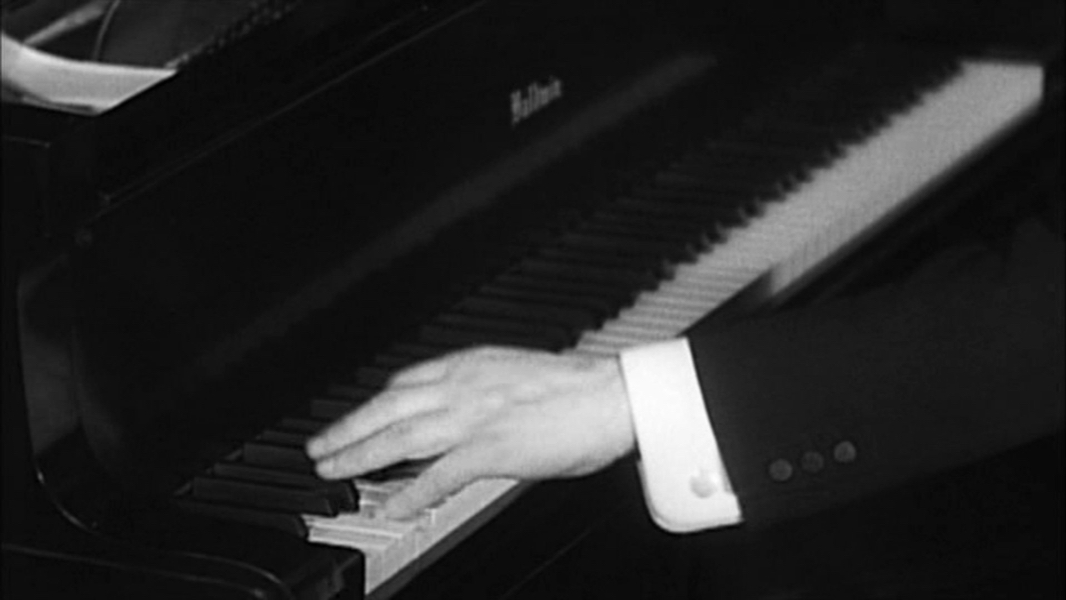
When learning a new piece of piano music, start with the Left Hand. Why? Because it is harder. But we can all take inspiration from the pianist Paul Wittgenstein, who used only his left arm and hand in concerts.
Is counting natural? My experience tells me not! Many young children have to be taught to hear the pulse of music, and most of us have had to learn to keep a steady pulse. One needs to practise, sometimes, with a metronome.

The ABRSM requires a traditional unaccompanied song at all grades. Here are some thoughts: more to follow, but for now: Narrative, Range, Difficulty - and where do you find folk songs anyway?

What is the secret of successful practise? Don't play the wrong notes! Does that sound simplistic? Bear with me.

This is my setup for teaching online. Necessity is the mother of invention. When the coronavirus struck, my private and school teaching evaporated.

This humorous article about putting together a Lessons and Carols service for Christmas in the brave new world of the UK leaving the EU, first appeared in the December edition of the Stamford All Saints' December 2018 magazine.

Old editions have their uses. The old Novello edition of Chopin Nocturnes has a very helpful table of the fioriture (fast florid passages) in the Chopin Nocturnes, with an interpretation by Frank Merrick of how to play them.

Over the years, I have used many different piano tutor books with students of all ages as they start learning the piano. There are some books that I come back to again and again, because I think they are creative, well written, and structured.
We use cookies for the best online experience. By using this website you agree to the cookie policy.


